











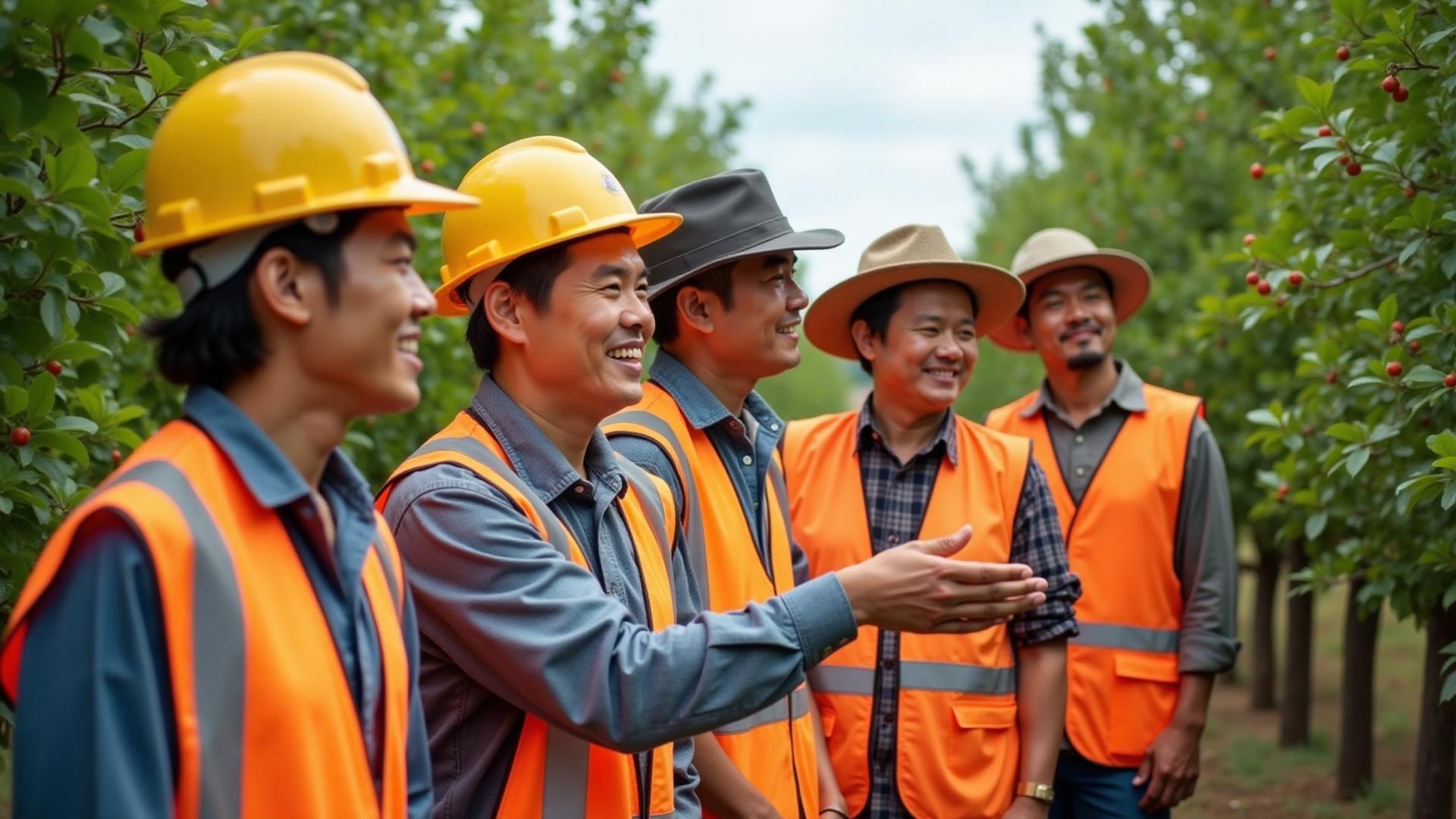
Workplace Wellbeing Australia: Health, Safety and Wellness Under One Umbrella
Workplace wellbeing is not separate from safety. It is part of it.
We help Australian organisations deliver tailored wellbeing courses, multilingual training and psychosocial hazard education — all under one platform that supports the whole worker.
Why Workplace Wellbeing Matters
Workplace wellbeing initiatives are strategic enablers of workforce performance across Australia.

A workforce that feels supported physically, mentally and emotionally is more productive, more engaged and more resilient. When people understand expectations, feel psychologically safe, and have access to clear support pathways, organisations are better placed to reduce risk, improve retention and strengthen long-term performance.
For high-risk and operational industries, this matters even more. Absenteeism, stress, injury, poor communication and high turnover all place pressure on productivity, culture and compliance. A fragmented approach to training cannot solve a connected workforce challenge.
That is why Acumind AI approaches health, safety and wellbeing as one umbrella.
Workplace Wellbeing Activities Under One Umbrella
Traditional systems often separate compliance training, safety messaging and workplace wellbeing initiatives into different programs. The problem is that real workers do not experience them separately.
Fatigue affects focus
Tired workers miss hazards, make errors and are more prone to workplace incidents.
Stress affects decisions
Under pressure, workers take shortcuts and skip critical safety steps.
Poor communication affects safety
Language barriers and unclear instructions create dangerous misunderstandings on site.
A lack of psychological safety can prevent workers from speaking up before incidents happen.
At Acumind AI, we help organisations build a more integrated workforce capability model by bringing together:
Physical safety training
Psychosocial hazard education
Multilingual onboarding and communication
Welfare and wellbeing video libraries
Repeatable, role-specific learning pathways
This creates a more practical and human-centred approach to workforce development.
Workplace Wellbeing Courses and Resources

AI-Powered Video Training
We transform complex policies, procedures and workforce topics into clear, engaging training videos that are easier to understand and retain.
Learning Intelligence Platform
Our Learning Intelligence Platform moves beyond traditional LMS tracking to support workforce understanding, repeatability and real-time updates.
Workplace Wellbeing Resources Library
Our platform houses a growing library of workplace wellbeing resources and welfare content, giving Australian organisations a scalable way to support their people beyond compliance.
Multilingual and CALD Workforce Support
With multilingual, visual-first delivery, Acumind AI helps culturally and linguistically diverse workforces better understand critical information, reducing communication gaps and improving confidence.
Psychosocial Hazards and Workplace Wellness
Psychosocial hazards and workplace wellbeing are often discussed together, but they represent two different aspects of workforce health and safety. Understanding the distinction helps Australian organisations better recognise the full range of factors that influence how safely and effectively people work.


Psychosocial Hazards: Workplace Risk Factors
Psychosocial hazards are workplace conditions that have the potential to harm a worker's psychological health or create unsafe working environments. These hazards arise from how work is designed, organised or managed.
Examples include:
- Excessive workload or unrealistic deadlines
- Fatigue and long working hours
- Bullying, harassment or workplace conflict
- Poor communication or unclear expectations
- Lack of psychological safety where workers feel unable to speak up
When these risks are not managed, they can reduce concentration, increase stress and contribute to mistakes, poor decision‑making and workplace incidents.
Wellbeing: The Whole Person
Wellbeing is broader than workplace hazards. It reflects the overall physical, mental and emotional state of a worker. While work can influence wellbeing, many factors originate outside the workplace.
These may include:
- Relationship challenges
- Grief after losing a loved one
- Financial stress
- Family responsibilities
- Isolation or being away from home for extended periods
These experiences are often invisible in a workplace setting, yet they can affect focus, energy levels and communication at work.
Why the Distinction Matters
Managing psychosocial hazards focuses on identifying and reducing workplace risks. Supporting wellbeing recognises that workers are whole people whose health, stress levels and life circumstances can influence attention, communication and safe decision‑making on the job.
Understanding the difference is important. Managing psychosocial hazards focuses on identifying and reducing workplace risks, while supporting wellbeing recognises that workers are whole people whose health, stress levels and life circumstances influence how safely and effectively they can work.
Why Workplace Wellbeing Initiatives Deliver Business Value
When health, safety and wellbeing are approached as one connected strategy, organisations are better equipped to support their people and strengthen operational performance.
Supporting the health, safety and wellbeing of a workforce is not simply a people initiative. It is a strategic investment that helps organisations build stronger teams, reduce preventable risks and create more sustainable business performance.
Source: Safe Work Australia
Built for Industries Where People and Risk Move Fast
Acumind AI is designed for industries where workforces are diverse, distributed and operating in dynamic environments. Our approach is especially valuable in sectors where communication, comprehension and consistency directly affect safety and performance.
By combining AI-powered video, multilingual delivery, tailored learning pathways and integrated wellbeing content, we help organisations modernise the way they support their people.
Construction
Agriculture
Manufacturing
Labour Hire
Safer workplaces are built when people feel informed, supported and seen.
At Acumind AI, we are helping organisations move beyond disconnected training and toward a smarter, more human approach — where health, safety and wellbeing sit under one umbrella.
Talk to Acumind AI